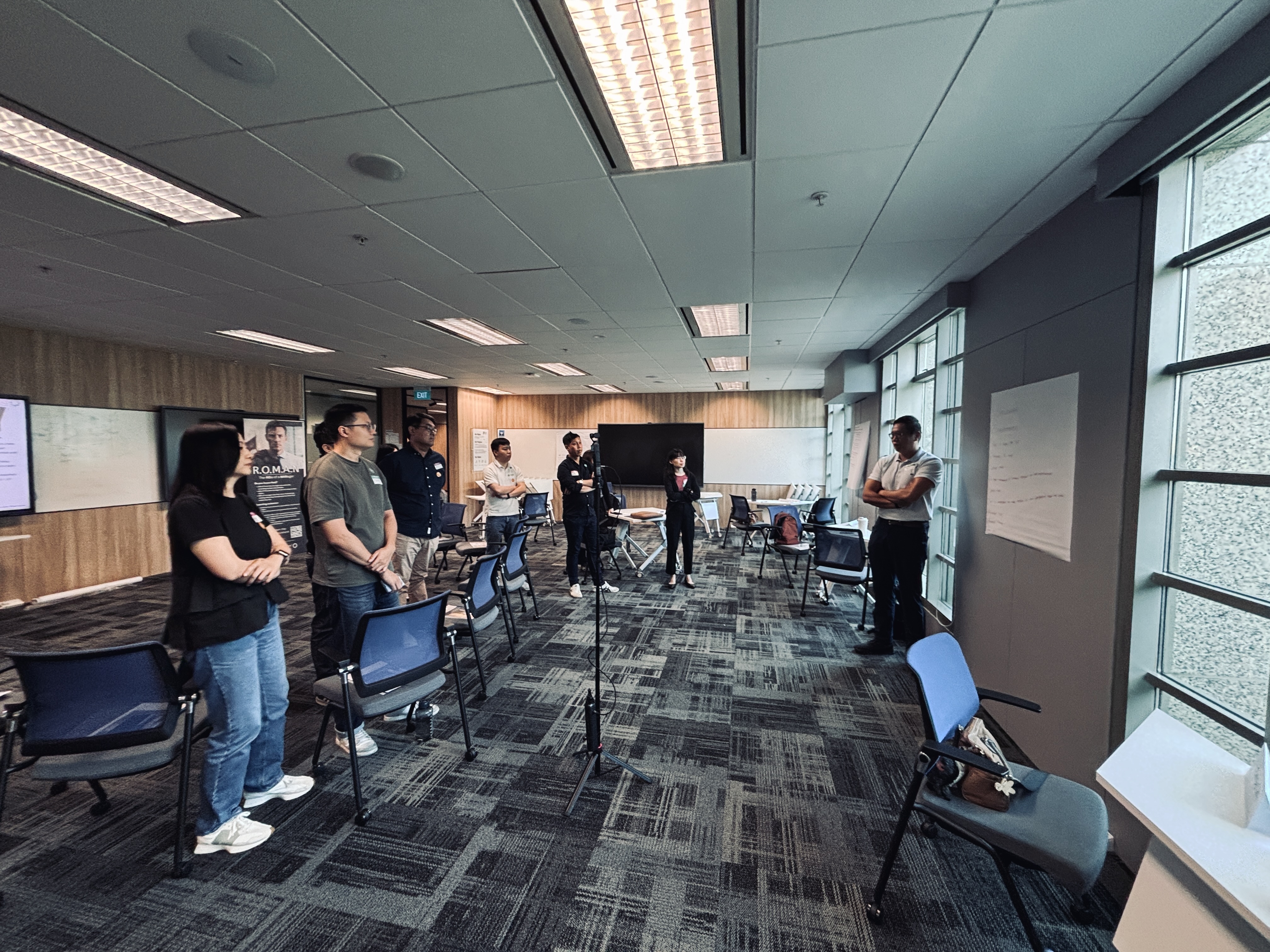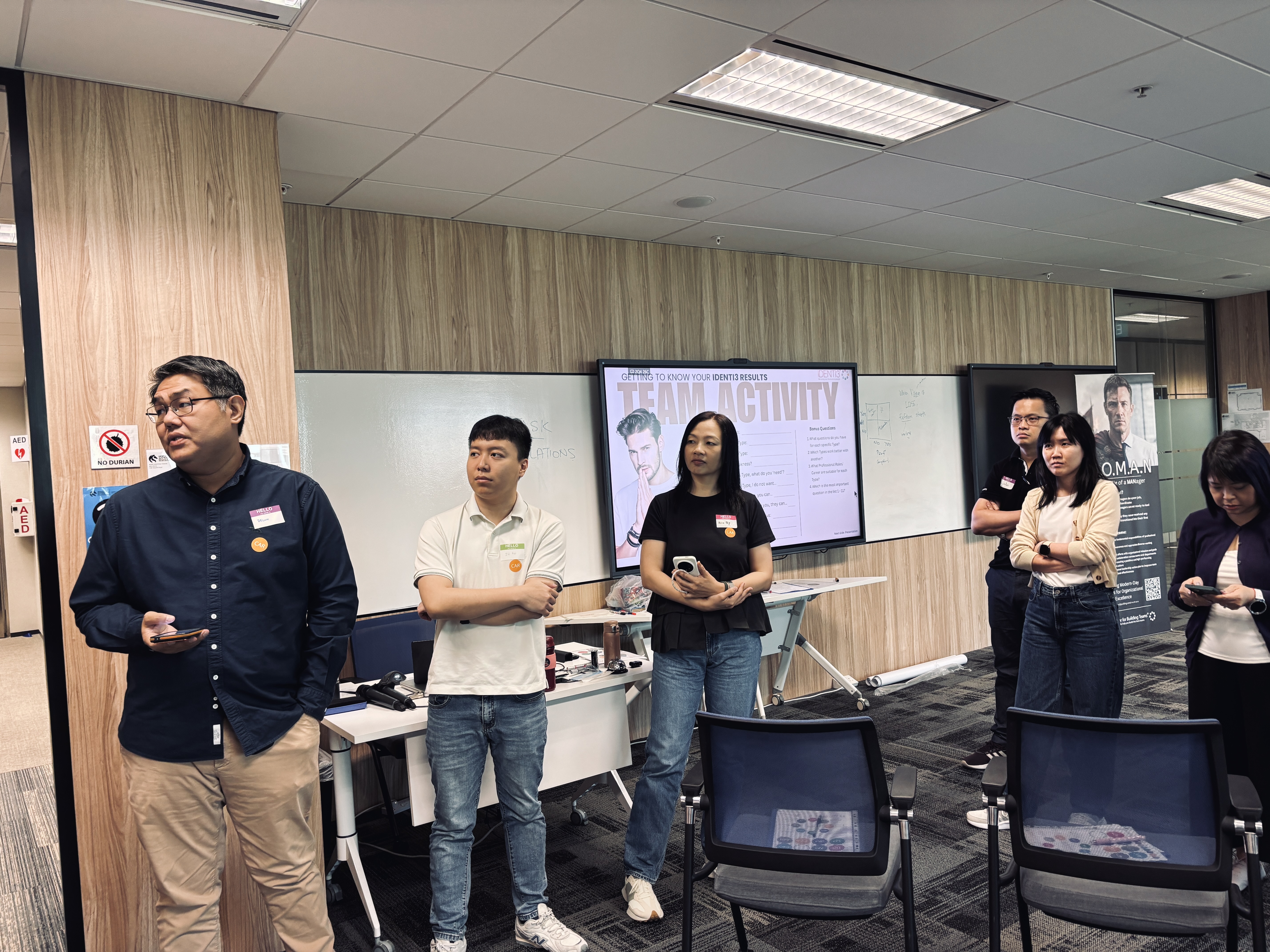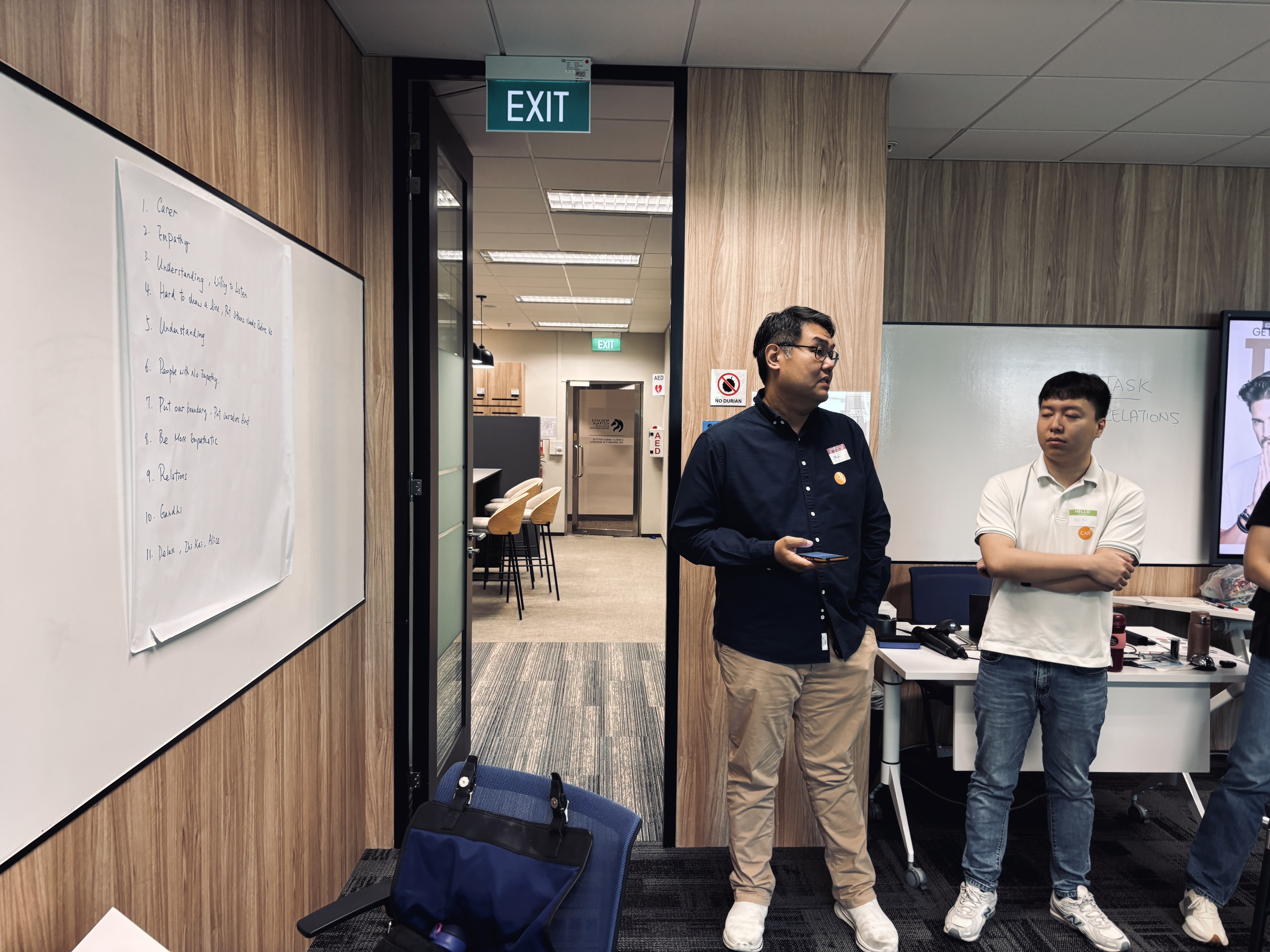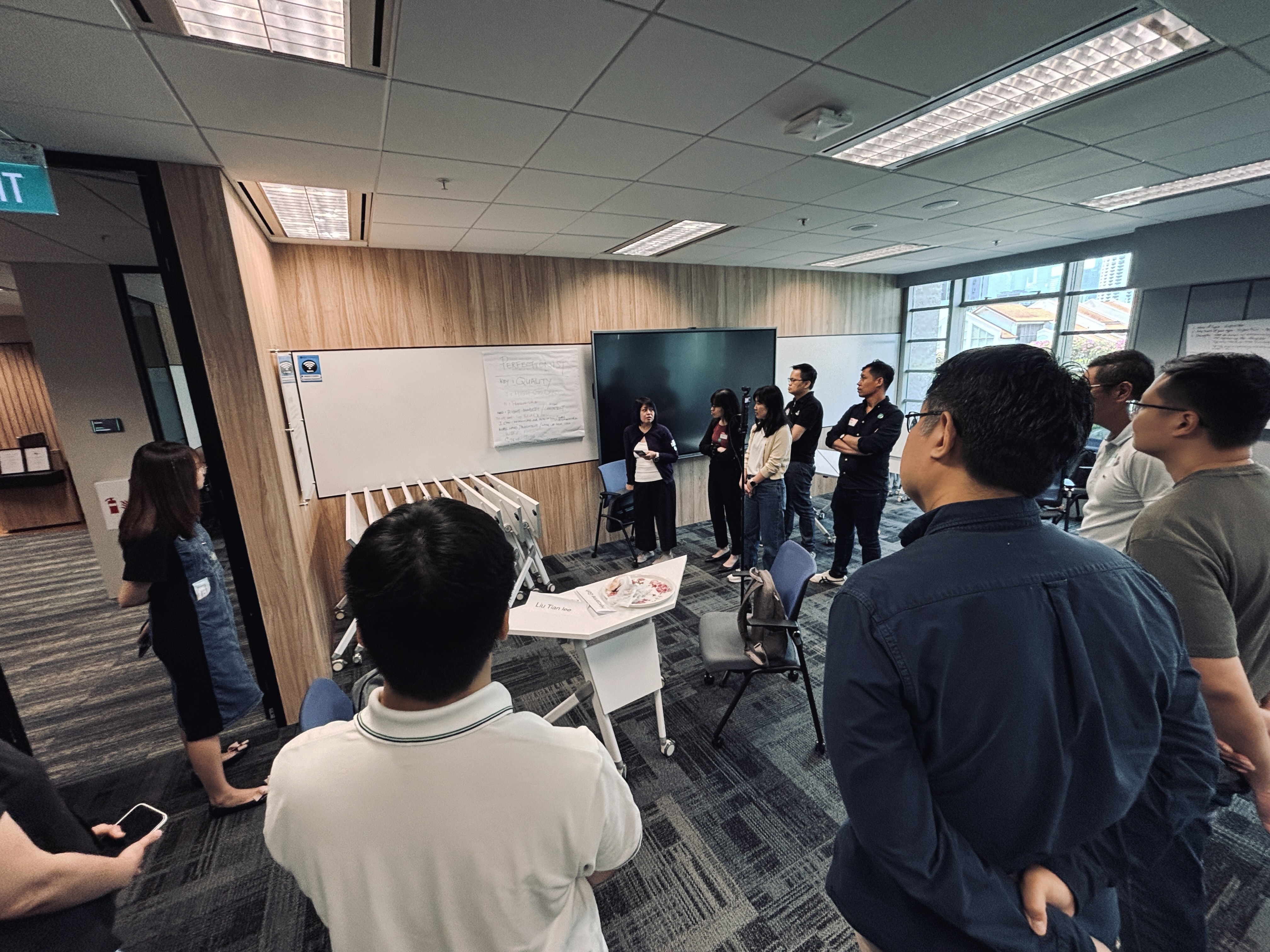

R.O.M.A.N. Training Day 2: Discovering Strengths, Connecting Missions and Building Alliances
Great managers do more than manage people. They recognise strengths, create shared purpose and build relationships that drive results.
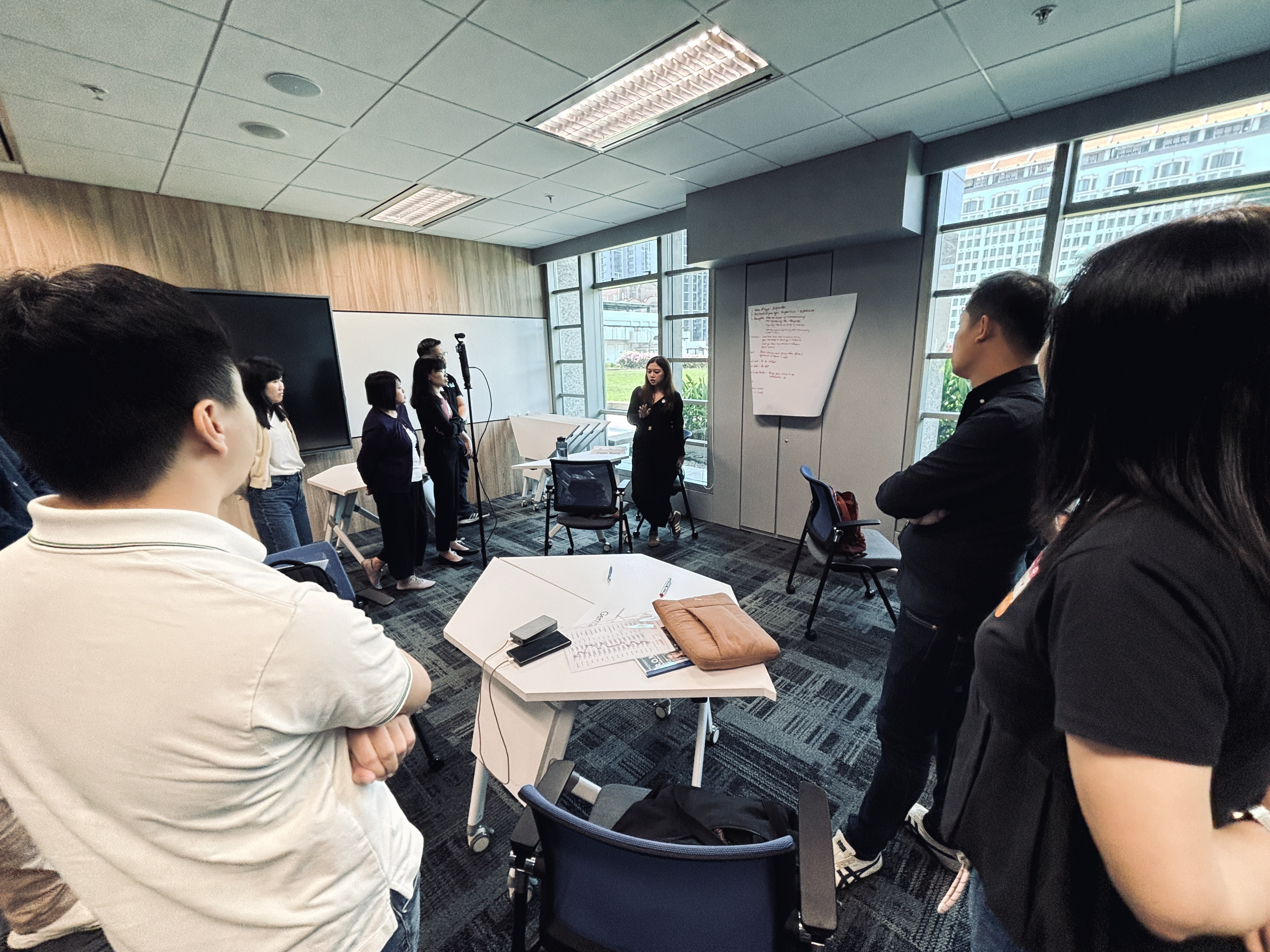
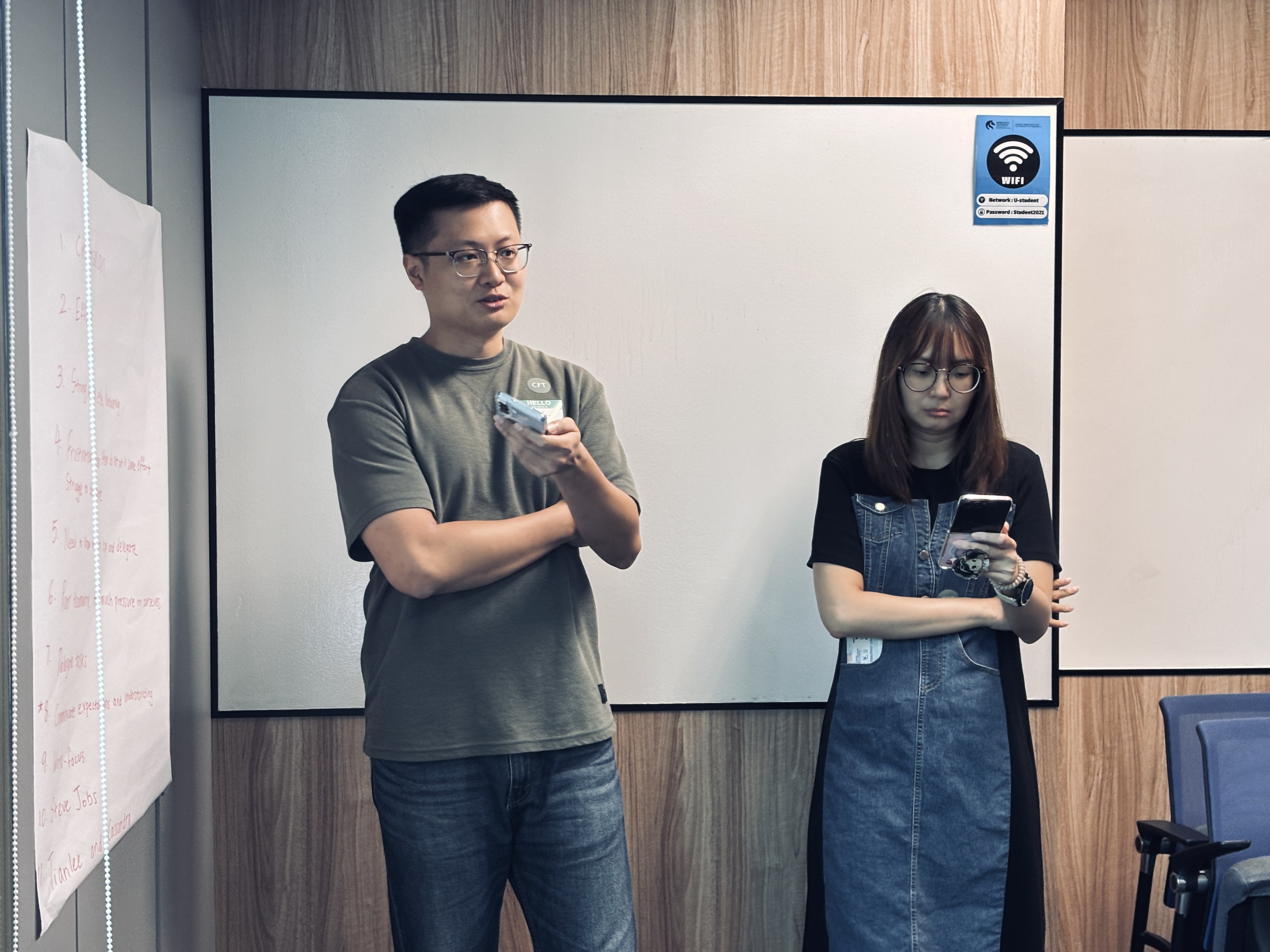
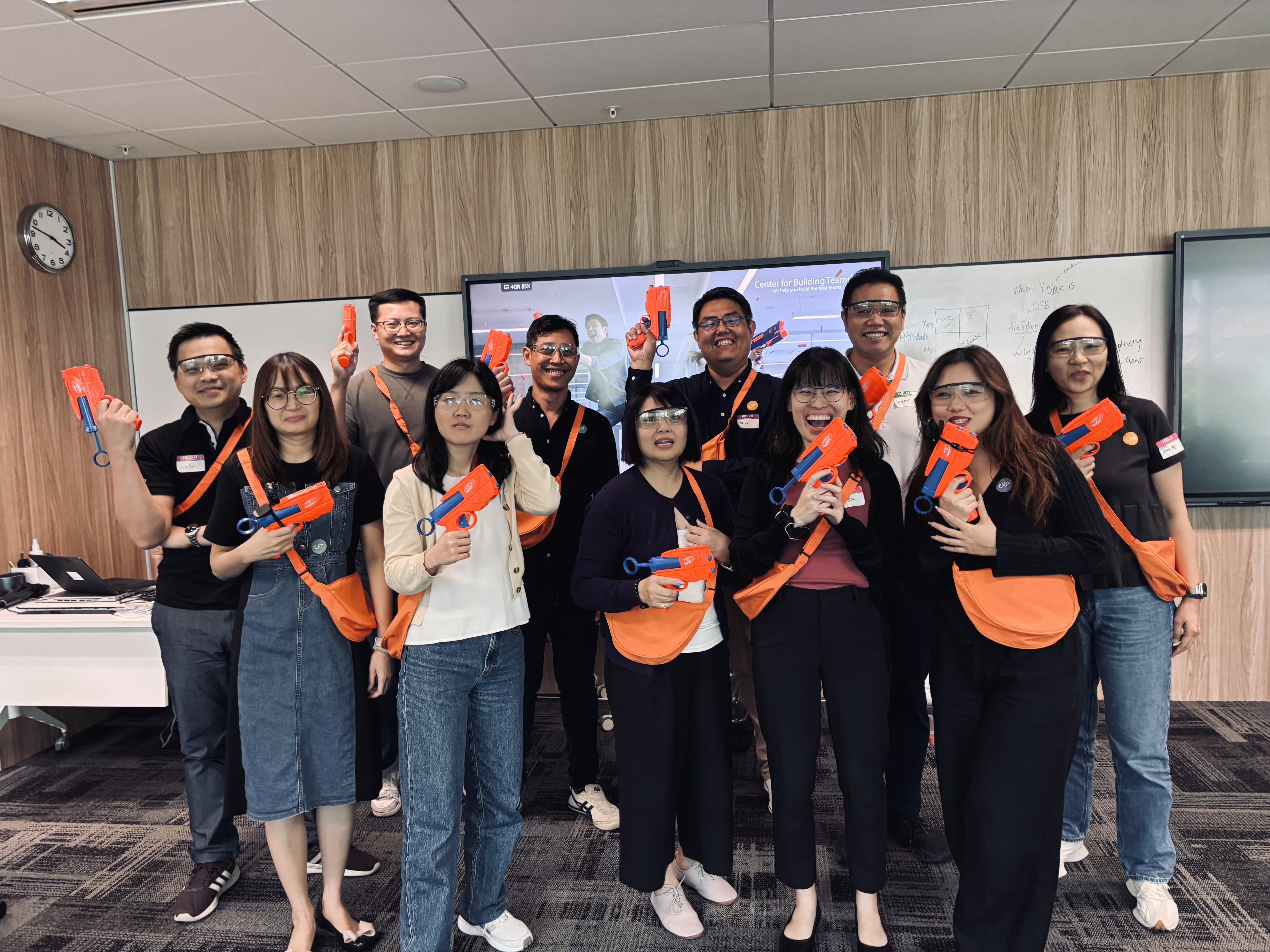
Day 2 of our R.O.M.A.N. (The Role of a Manager) training programme continued the journey of developing effective People Managers, focusing on three essential areas: Orientation, Mission and Alliance.
Orientation: Discovering Strengths Within the Team
Everyone has strengths, but not everyone recognises them or knows how to use them effectively.
Participants explored how to identify individual strengths within their teams and understand how different personalities, abilities and working preferences contribute to team performance.
A key learning was that effective managers do not expect everyone to be good at everything. Instead, they recognise what each person does best and create opportunities for those strengths to contribute to team success.
When managers understand their people’s strengths, they can delegate more effectively, develop talent and build teams where individuals complement rather than compete with one another.
Mission: Connecting Individual Roles to the Company’s Purpose
Many organisations have mission statements, but how many employees truly understand what they mean?
More importantly, can every employee explain how their daily responsibilities contribute to achieving the company’s mission?
Participants explored how to simplify organisational missions into clear, meaningful messages that everyone can understand and relate to.
A mission should not simply be words displayed on a wall. It should provide direction for everyday decisions and actions.
When employees understand how their individual contributions connect to the bigger picture, their work becomes more meaningful. They develop a stronger sense of ownership, accountability and shared purpose.
The challenge for managers is to translate the company’s mission into something practical and relevant to every team member.
Alliance: Building Relationships Through Effective Communication
No manager or team succeeds alone.
Participants explored the importance of building strong alliances with internal colleagues, external stakeholders, superiors and subordinates.
These relationships require trust, cooperation, mutual understanding and, most importantly, effective communication.
One interesting insight emerged: Everyone may be speaking English, but that does not mean everyone understands the same message.
The same words can carry different meanings depending on a person’s experiences, assumptions, personality and expectations.
A manager may believe an instruction is perfectly clear, while a team member interprets it differently. Both may walk away believing they have understood each other, only to discover later that their expectations were completely different.
Such misunderstandings can lead to misinformation, unnecessary conflicts, duplicated work, delays and frustration.
Participants learned that communication is not simply about what we say, but what others actually understand.
Effective managers must learn to clarify expectations, listen actively, check for understanding and communicate with different stakeholders appropriately.
Day 2 Learning Outcomes: What Participants Take Away
By the end of Day 2, participants were equipped to:
- Identify individual strengths: Recognise the different strengths, abilities and working preferences within their teams.
- Leverage team strengths: Understand how to assign responsibilities and create opportunities that maximise individual contributions and collective performance.
- Simplify the company’s mission: Translate organisational mission statements into clear, practical messages that employees can understand.
- Connect roles to organisational purpose: Help every team member recognise how their daily work contributes to the company’s mission and success.
- Recognise the importance of alliances: Understand the value of building effective relationships with colleagues, external stakeholders, superiors and subordinates.
- Identify communication gaps: Recognise how assumptions, different interpretations and communication preferences can create misunderstandings even when everyone speaks the same language.
- Strengthen stakeholder communication: Apply clearer communication, active listening and confirmation of understanding to improve collaboration and reduce unnecessary conflicts.
From Managing Individuals to Leading a United Team
Day 2 reinforced three important principles:
Strengths help us understand what people can contribute.
Mission helps everyone understand why their contributions matter.
Alliances help people work together to achieve what they cannot accomplish alone.
When managers bring these three elements together, they move beyond supervising individuals to building a team united by purpose, mutual understanding and collaboration.
A great People Manager does not simply tell people what to do. They help people discover what they do best, understand why their work matters and work effectively with others.
That is the essence of Day 2 of R.O.M.A.N.
R.O.M.A.N. is a management development programme designed to equip managers with the awareness, skills and practical approaches needed to lead people and achieve organisational excellence.
IDENTI3 International | We Bring Out the Best in People
#ROMANTraining #PeopleManagement #LeadershipDevelopment #TeamStrengths #OrganisationalMission #StakeholderManagement #EffectiveCommunication #IDENTI3