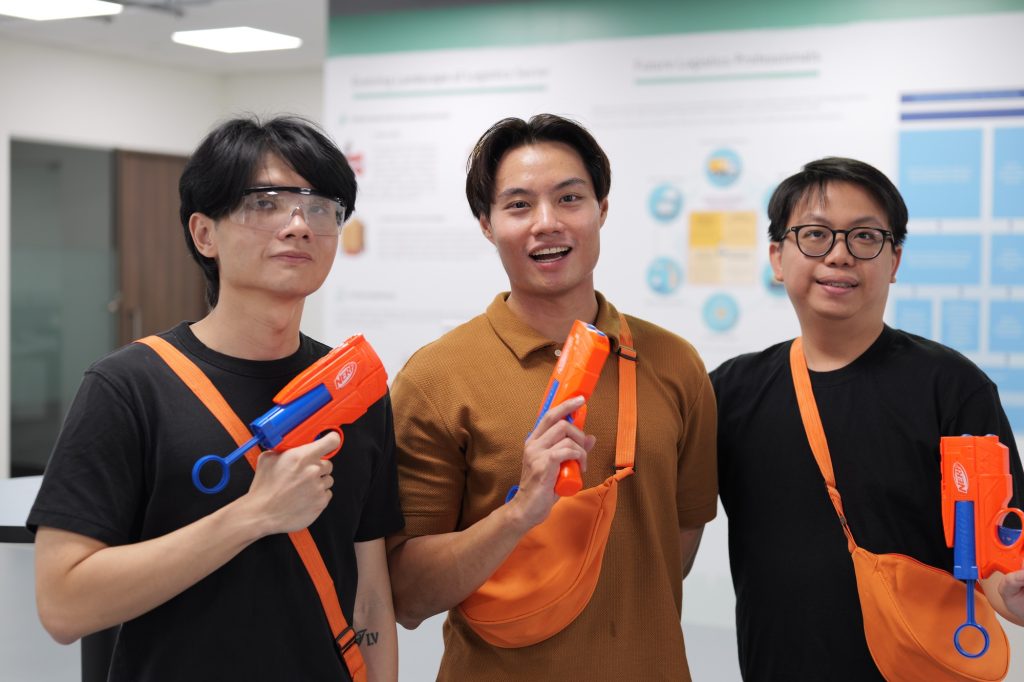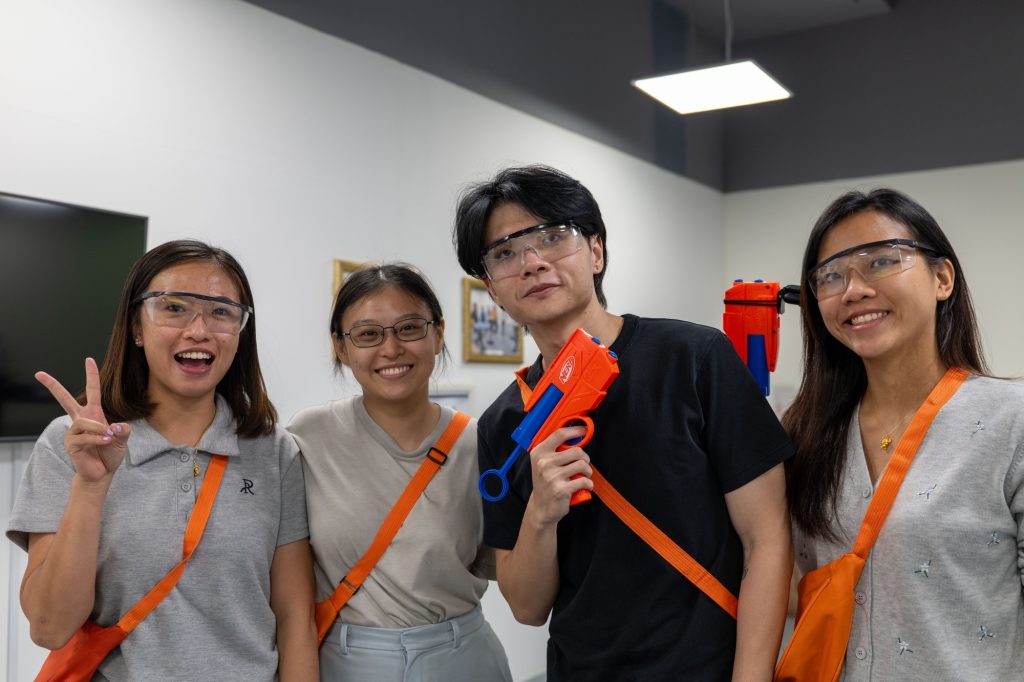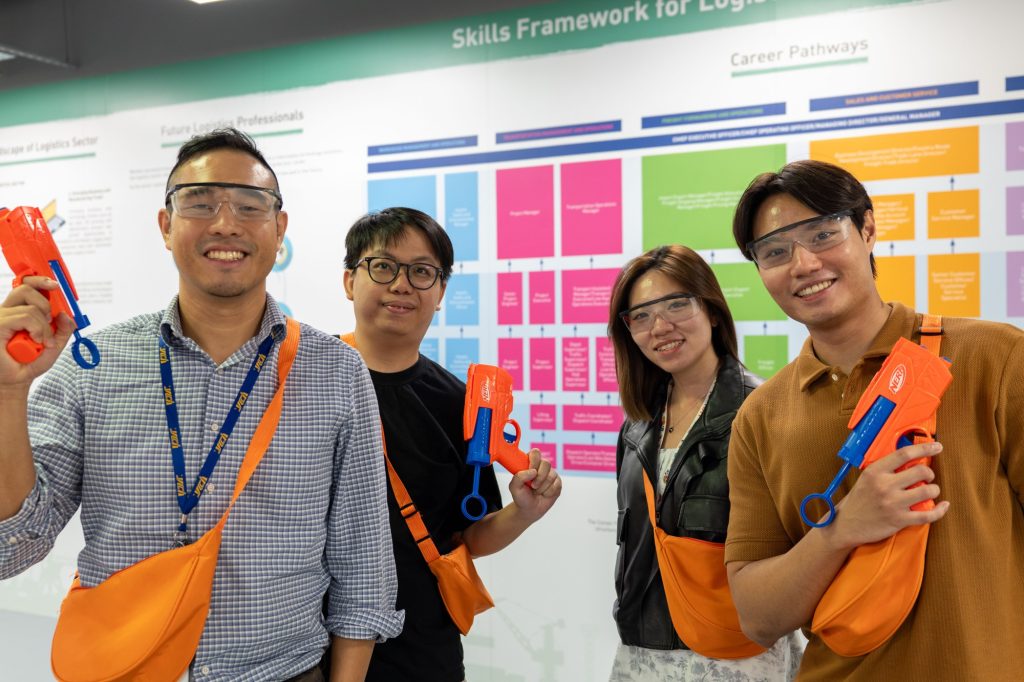

Beyond Fun: What YSG’s NERF Team Building Revealed About Teamwork
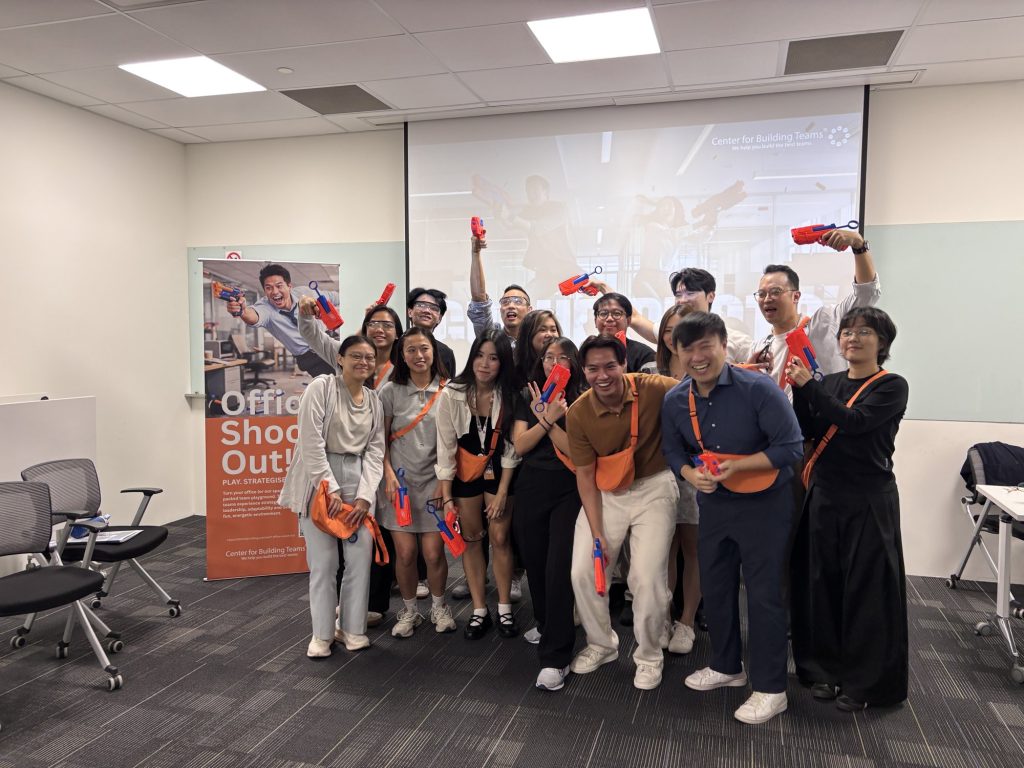
Team building is often associated with getting people away from their desks, having fun together and returning to work feeling refreshed.
But what if the activity could do more?
For the YSG NERF Team Building Programme, the objective was to combine an enjoyable shared experience with practical learning about teamwork, communication, strategy, individual strengths and workplace relationships.
Turning the Office into a Learning Environment
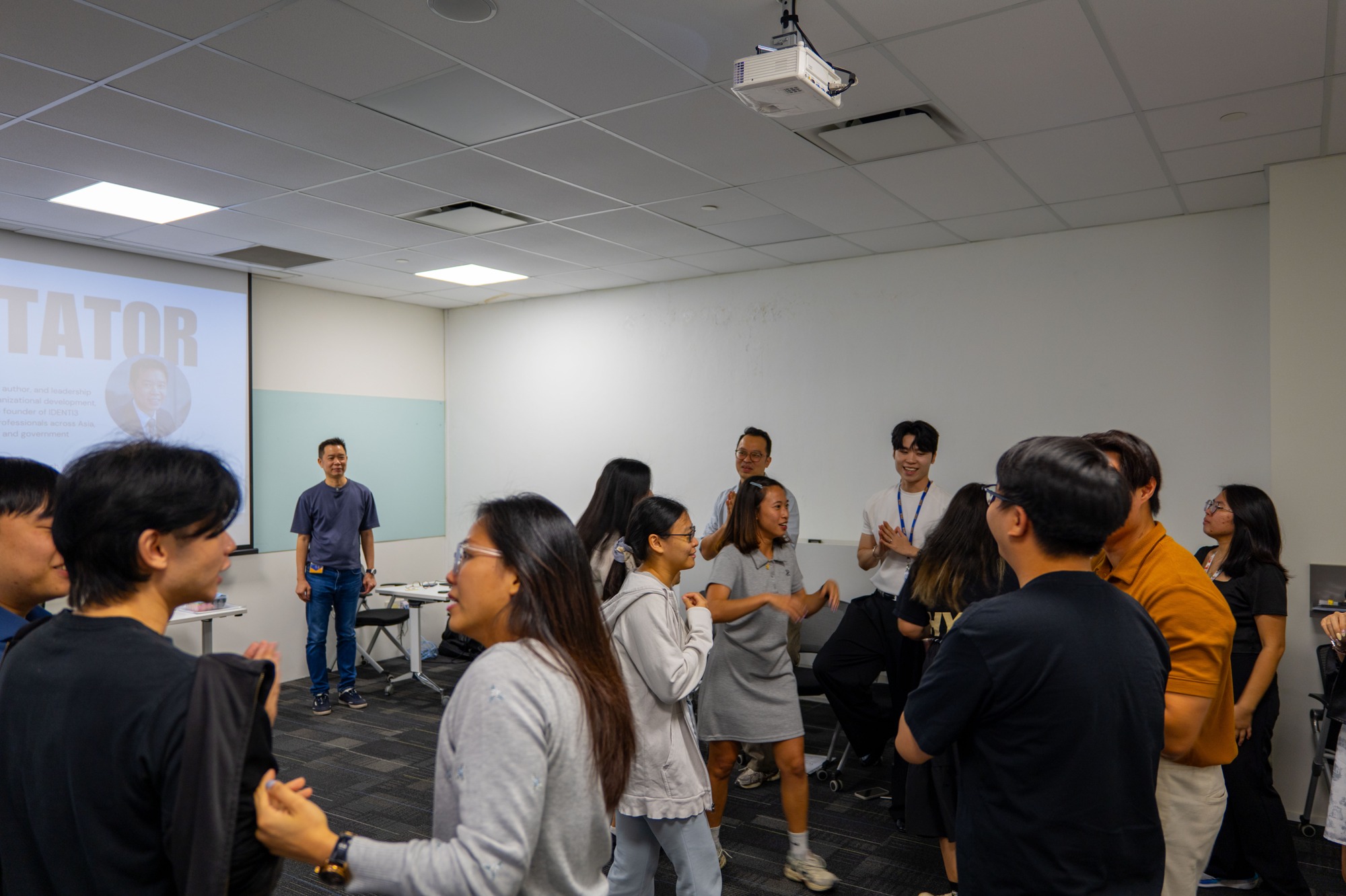
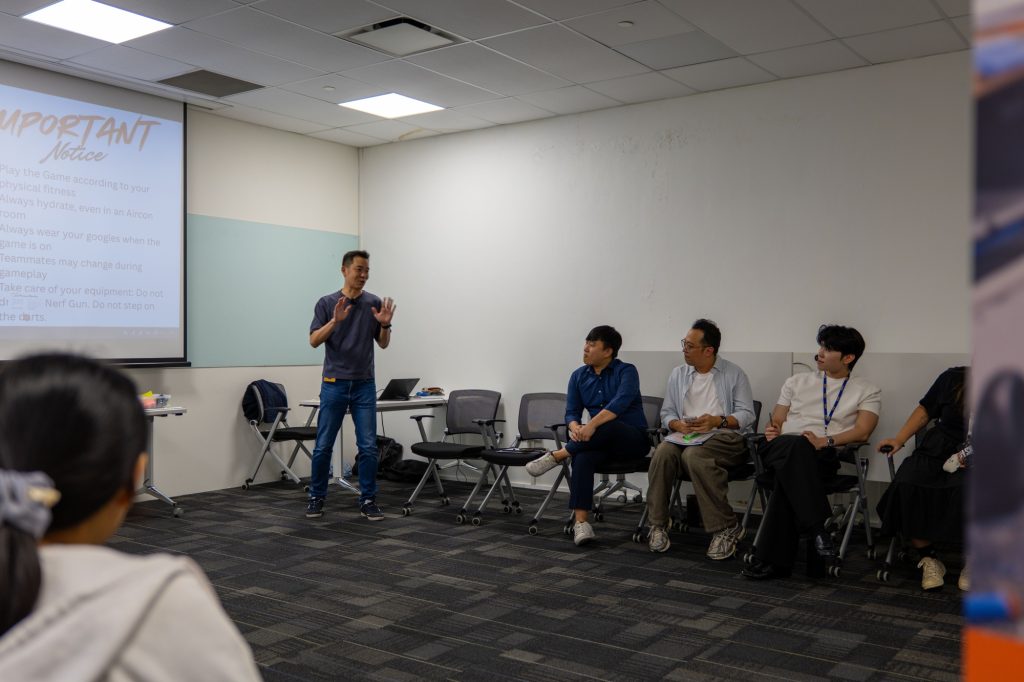
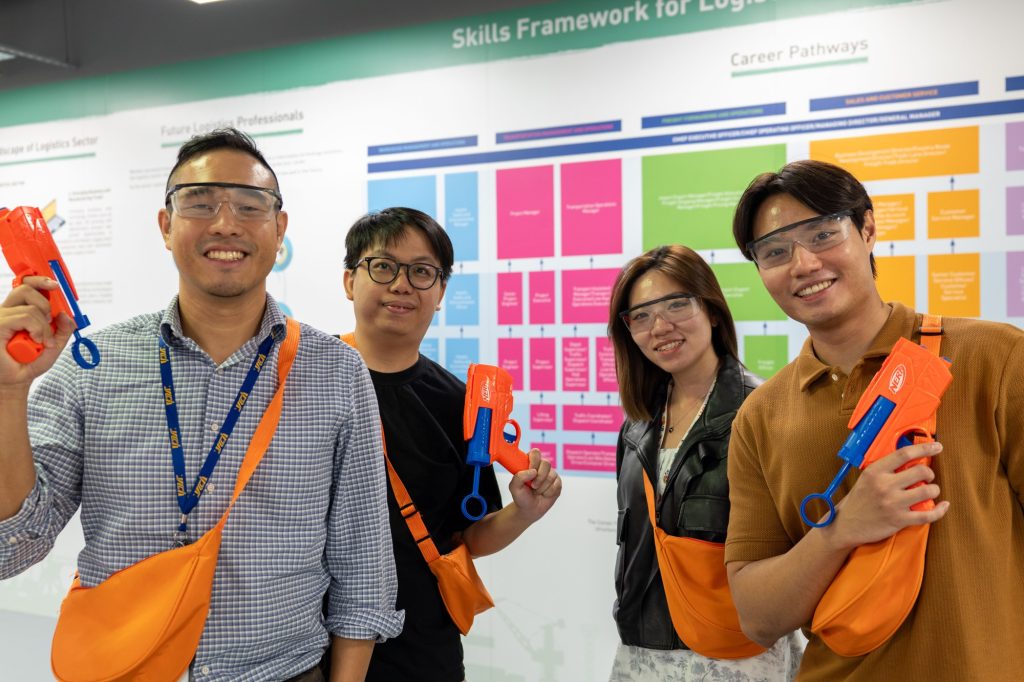
NERF gameplay may look simple. Pick up a blaster, work with your teammates and accomplish the mission.
Once objectives, limited resources, opposing teams and changing situations are introduced, however, interesting team behaviours begin to emerge.
Who takes the lead?
Who develops the strategy?
How effectively does information move through the team?
Do individuals act independently or coordinate their actions?
What happens when the original plan stops working?
These experiences provide useful opportunities for reflection because many of the same challenges occur at work.
The difference is that NERF creates a playful environment where participants can experience these dynamics directly before discussing what happened and connecting the lessons to their workplace.
What Changed?
The evaluation produced encouraging results.
Using the closest comparable themes from the pre activity and post activity questionnaires, the programme showed indicative improvements in three important areas:
Collaboration and teamwork: +13.8%
Understanding individual strengths: +8.5%
Communication: +6.2%
These figures should be interpreted carefully because the pre activity and post activity questions were related but not identical. They therefore represent directional comparisons rather than controlled before and after measurements.
Even with that limitation, the pattern provides useful insight into what participants took away from the experience.
Teamwork Became More Visible
Before the programme, most participants already viewed their team positively. Eleven of the 15 respondents rated their team’s existing collaboration as “Good”, while one rated it “Excellent”. YSG Nerf Team Building – Pre & …
After the programme, all 15 participants agreed or strongly agreed that the activity helped them understand the importance of teamwork. Six selected “Strongly Agree”. YSG Nerf Team Building – Pre & …
This is important because team building does not always need to start with a dysfunctional team.
Even teams that already work reasonably well can benefit from seeing their teamwork from a different perspective.
Communication Is More Than Talking
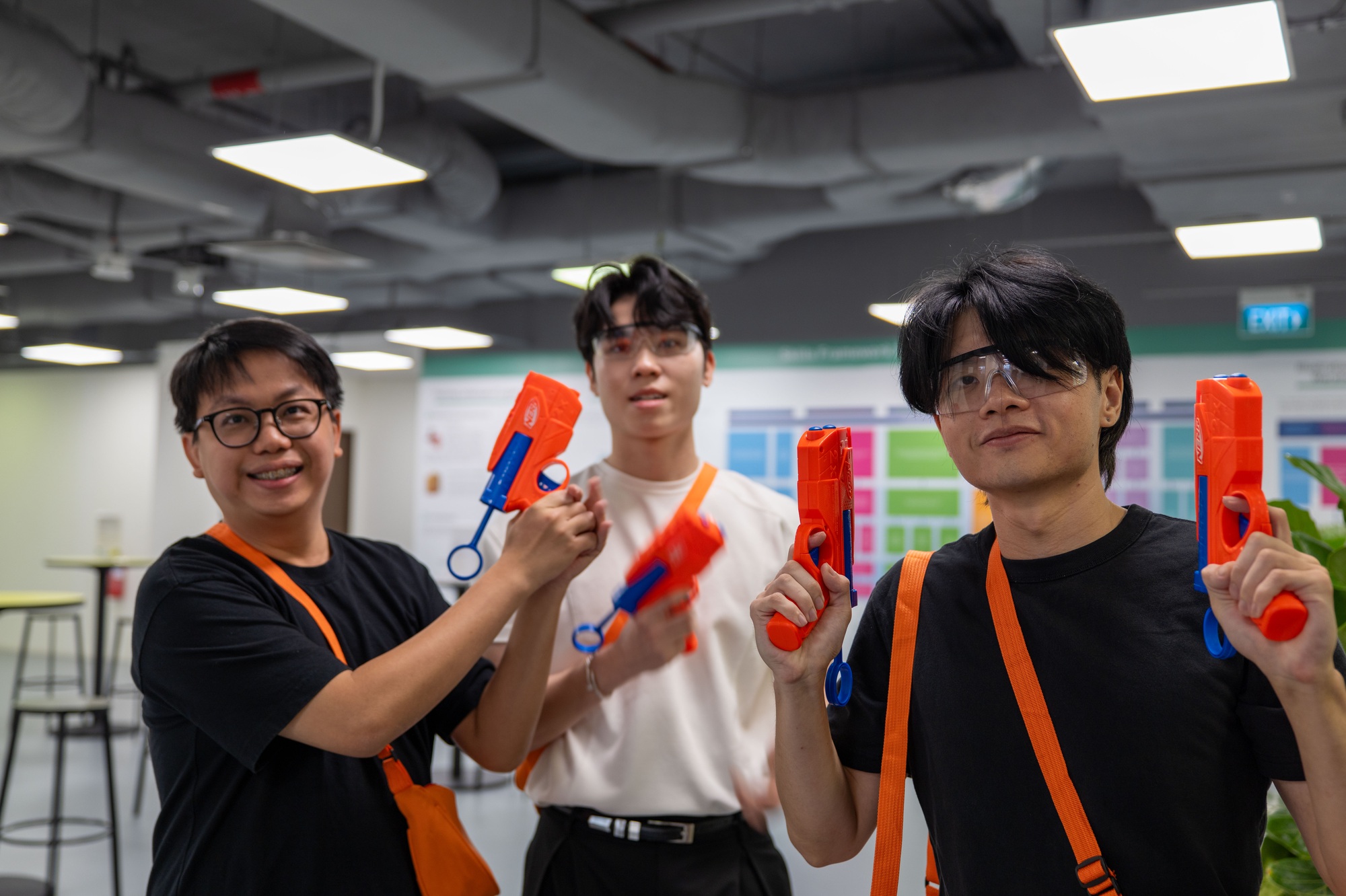
Communication was already rated highly before the activity. Eleven participants agreed and four strongly agreed that they were comfortable communicating and sharing ideas with teammates. YSG Nerf Team Building – Pre & …
During NERF gameplay, however, communication becomes immediate.
Teams need to exchange information, coordinate movement, understand objectives and respond to changing situations.
After the programme, nine participants strongly agreed and five agreed that the activity demonstrated the importance of communication within a team. YSG Nerf Team Building – Pre & …
The lesson is not simply to communicate more. Teams need to communicate clearly, quickly and with sufficient shared understanding for people to act.
Different Strengths Matter
One of the stronger shifts concerned participants’ understanding of what different individuals contribute to a team.
Before the activity, three participants were neutral about understanding teammates’ strengths and contributions, ten agreed and two strongly agreed.
Afterwards, only one remained neutral, while nine agreed and five strongly agreed that they had gained a better appreciation of the different strengths individuals bring to a team.
This reflects an important principle behind IDENTI3.
Effective teamwork does not require everyone to behave in the same way.
People can contribute differently. Some naturally organise. Others communicate, analyse, support, lead, improvise or respond quickly to changing circumstances.
The challenge is helping the team recognise and use those differences effectively.
Fun Can Still Produce Serious Learning
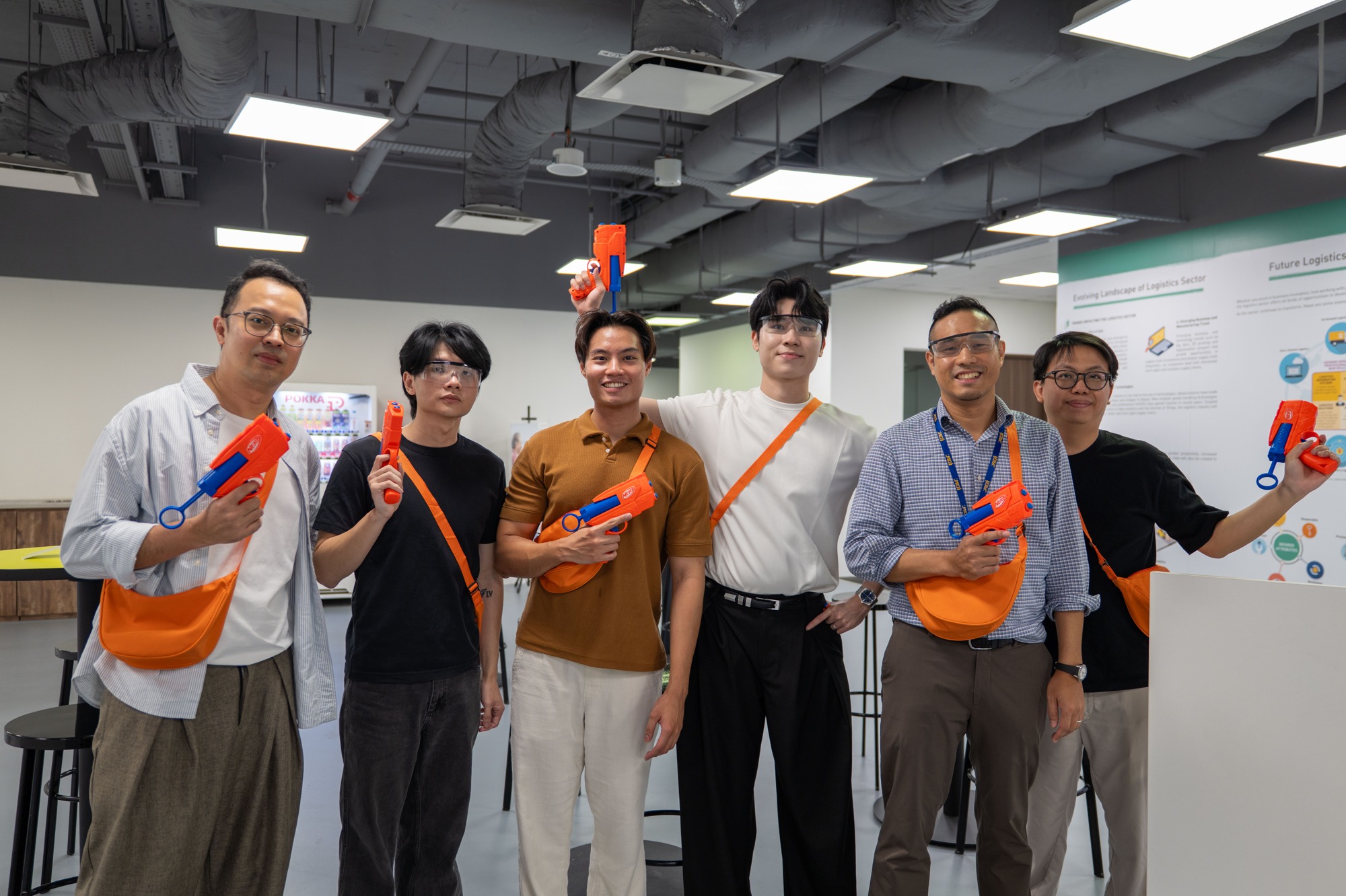
The programme was designed to be enjoyable, but enjoyment was not treated as the final outcome.
All 15 participants agreed or strongly agreed that the activity was engaging and enjoyable. Nine strongly agreed. YSG Nerf Team Building – Pre & …
More importantly, 14 of 15 participants agreed or strongly agreed that the learning points were relevant to their work. YSG Nerf Team Building – Pre & …
All 15 also agreed or strongly agreed that the facilitator effectively connected the activity to workplace learning. YSG Nerf Team Building – Pre & …
This is where experiential team building becomes valuable.
The game creates the experience. The debrief creates the learning.
The Most Valuable Finding Was What Still Needed Improvement
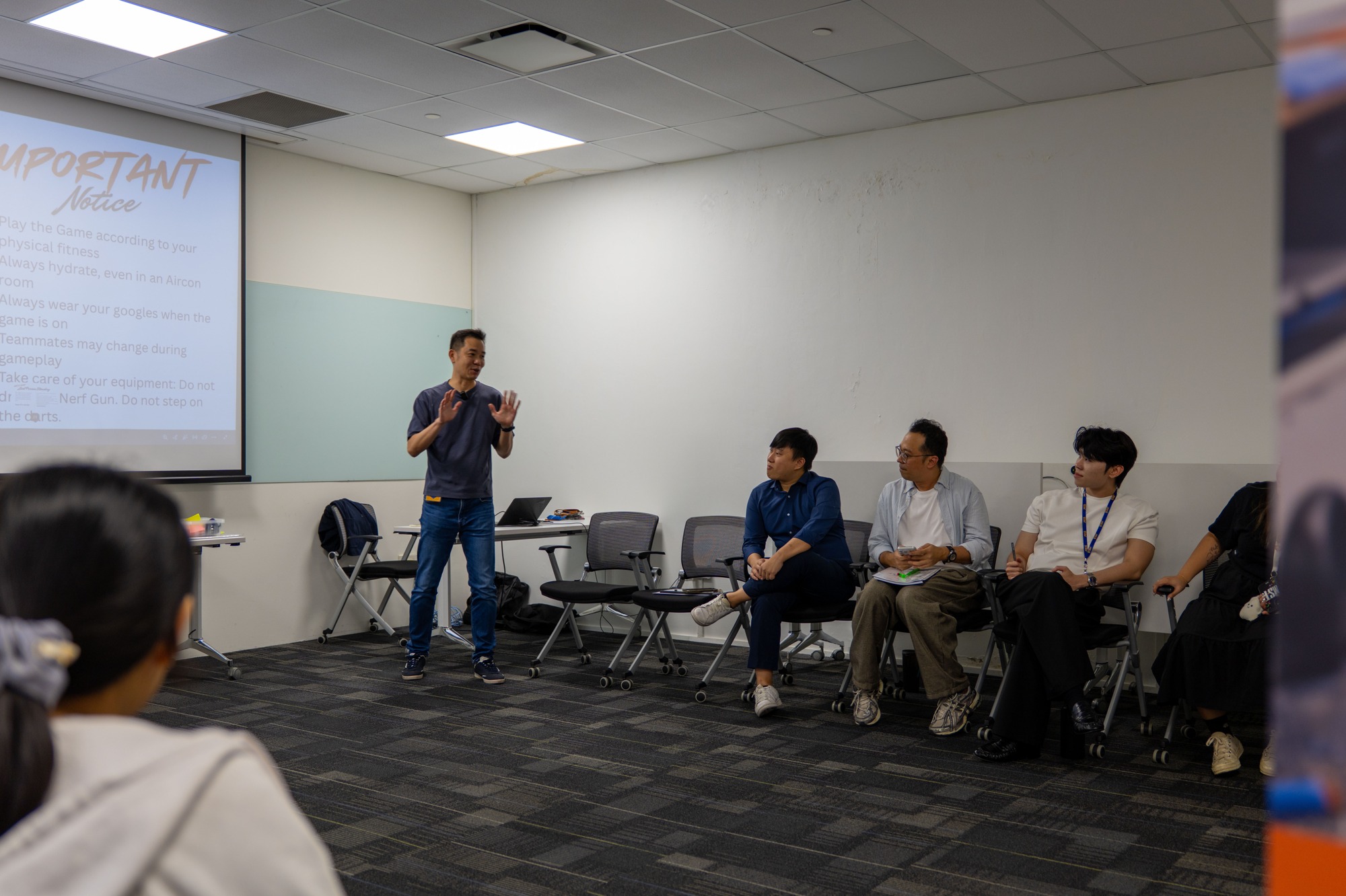
A successful team building programme should not simply produce positive ratings. It should help a team recognise where it can become better.
When YSG participants were asked what their team could improve moving forward, several themes emerged:
More open and effective communication
Greater collaboration across work silos
Stronger trust and psychological safety
Regular team check ins
Better role clarity and alignment
Participants also identified practical ways to apply the learning after the programme, including communicating more frequently, checking alignment on goals and priorities, adapting to different personalities and working styles, and making better use of individual strengths.
These observations matter because the real measure of team building is not what happens during the activity.
It is what the team does differently afterwards.

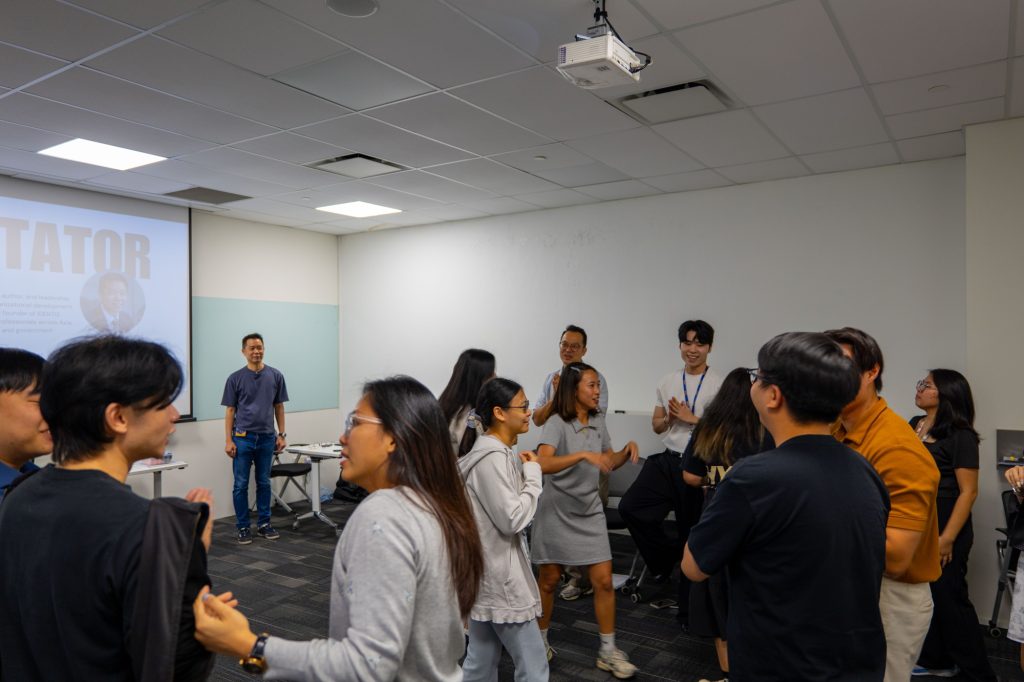
From Team Bonding to Team Development
The YSG experience demonstrates that team bonding does not have to choose between fun and learning.
A well designed activity can provide both.
NERF creates energy and engagement. Strategy creates challenge. Different personalities create team dynamics. Changing situations require adaptability. And structured reflection turns those experiences into workplace insights.
That is the philosophy behind the IDENTI3 NERF Office Shoot Out.
The objective is not simply to shoot foam darts at colleagues.
It is to give people an opportunity to see how their team communicates, collaborates, strategises, adapts and works with different strengths.
Because sometimes the best way to understand how a team works is to take them out of their normal routine and watch what happens when the game begins.
Play. Strategise. Connect.
NERF Office Shoot Out by IDENTI3
Where play reveals how teams really work.